Top 10 Kitchen Spices Every Home Cook Should Have (Complete Guide)
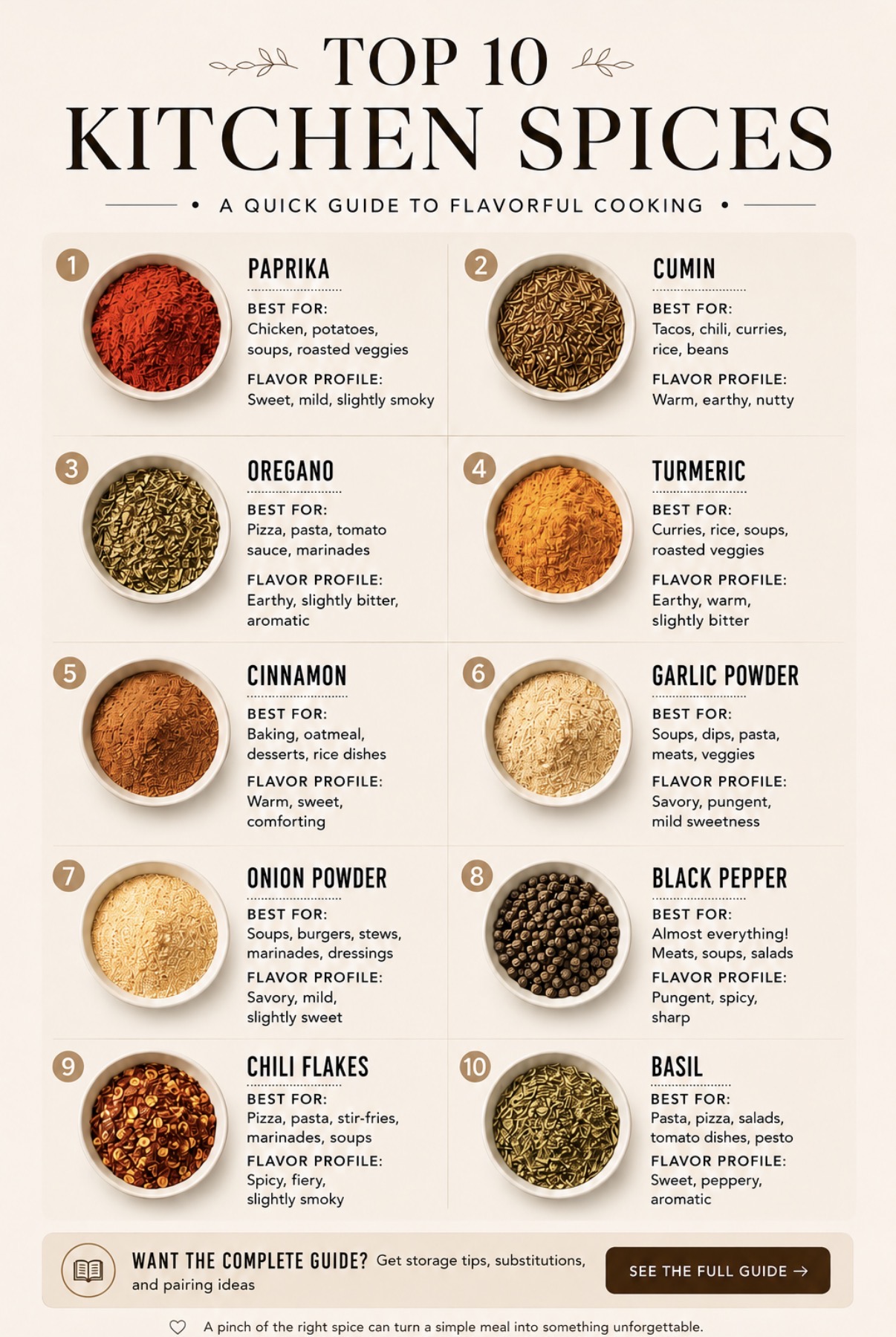
If you have ever wondered which spices you actually need in your kitchen, you are not alone. Building a well-stocked spice cabinet does not have to be overwhelming. With just a handful of essential seasonings, you can make everything from pasta and tacos to soups, roasted vegetables, and grilled chicken taste incredible.
In this guide, you will learn what each spice tastes like, the best ways to use it, storage tips, and easy substitutes. Whether you are a beginner or an experienced home cook, these pantry staples will help you cook with more confidence.
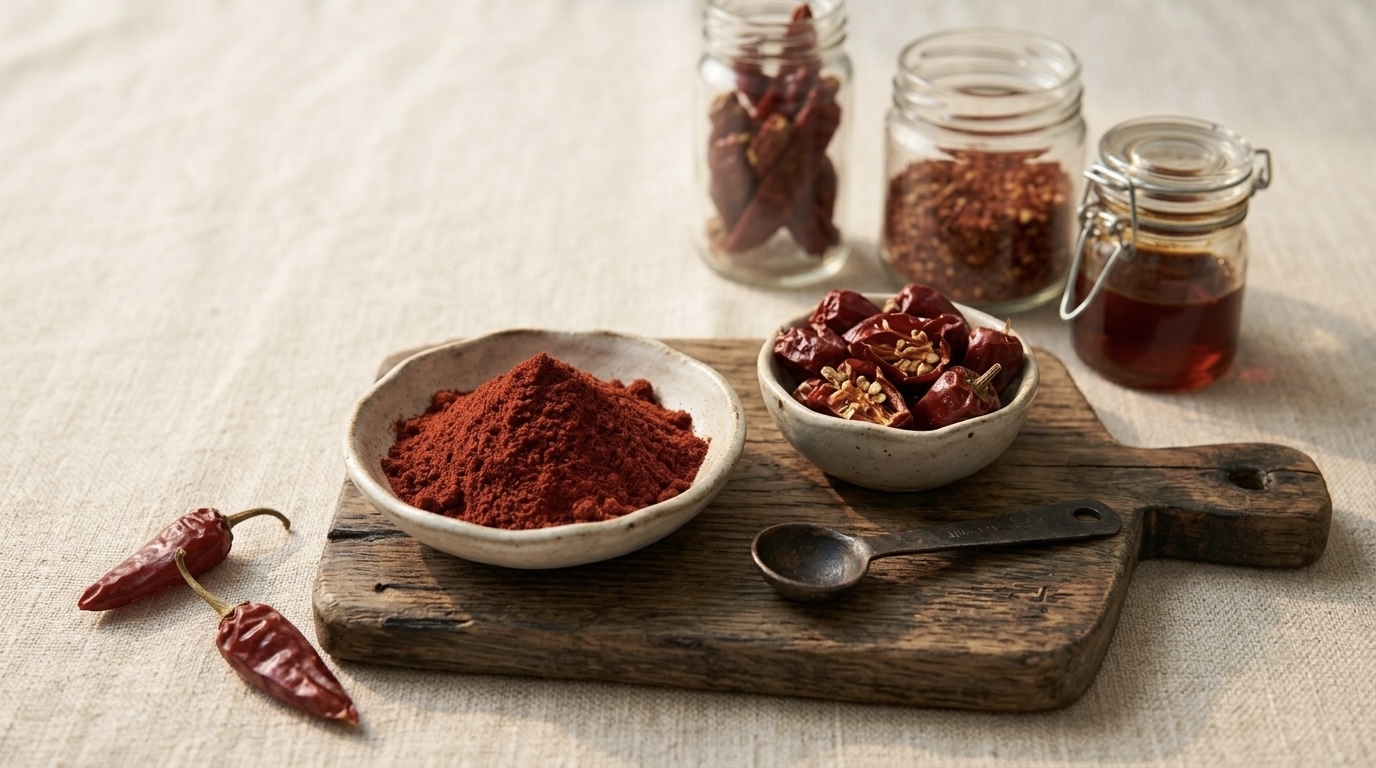
1. Paprika
Paprika is one of the most versatile spices in any kitchen. Made from dried peppers, it adds vibrant color and a mild, slightly sweet flavor to countless dishes.
Flavor: Sweet, mild, slightly smoky (depending on the variety)
Best uses: Roasted potatoes, chicken, deviled eggs, soups, rice dishes, homemade seasoning blends
Best pairings: Garlic, onion powder, black pepper, cumin
Substitute: Smoked paprika, or chili powder for more heat
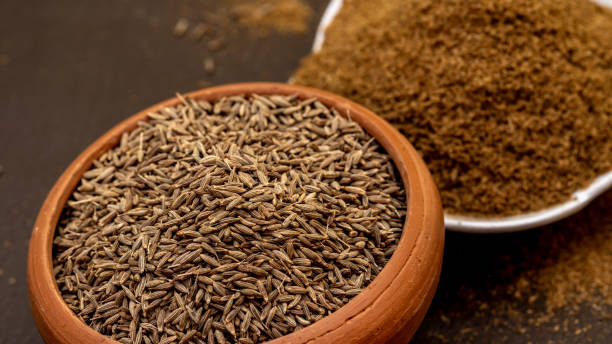
2. Cumin
Cumin has a warm, earthy flavor that is essential in Mexican, Indian, Middle Eastern, and Tex-Mex cooking.
Flavor: Earthy, warm, slightly nutty
Best uses: Tacos, chili, burritos, curry, rice, ground beef, beans
Best pairings: Paprika, chili powder, garlic powder, coriander
Substitute: Ground coriander (milder), or caraway seeds
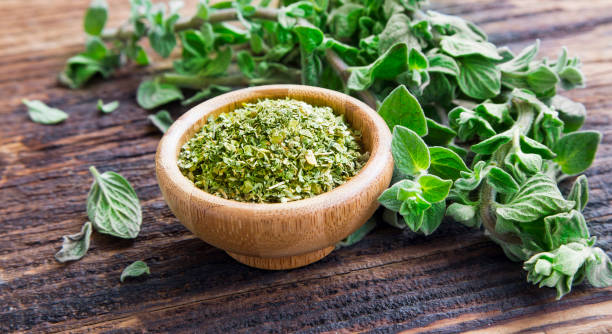
3. Oregano
Oregano is a pantry favorite for Italian and Mediterranean recipes. Its bold herbal flavor instantly brightens sauces and roasted dishes.
Flavor: Earthy, peppery, slightly bitter
Best uses: Pizza, pasta sauce, marinades, Greek salads, roasted vegetables, chicken
Best pairings: Basil, garlic, thyme, olive oil
Substitute: Italian seasoning, or marjoram
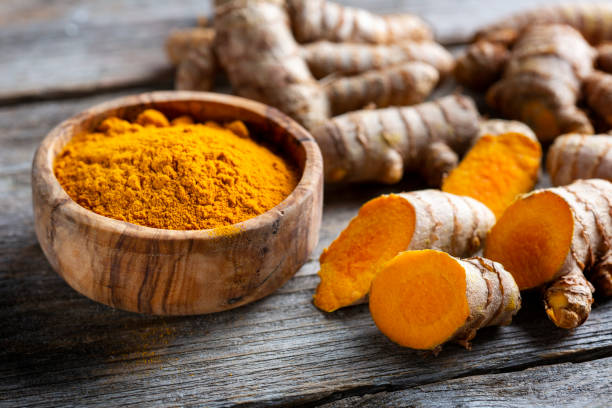
4. Turmeric
Known for its golden color, turmeric adds warmth without overwhelming heat.
Flavor: Earthy, slightly bitter, mild
Best uses: Curry, rice, soups, lentils, roasted cauliflower, golden milk
Best pairings: Ginger, garlic, black pepper, cumin
Substitute: Curry powder
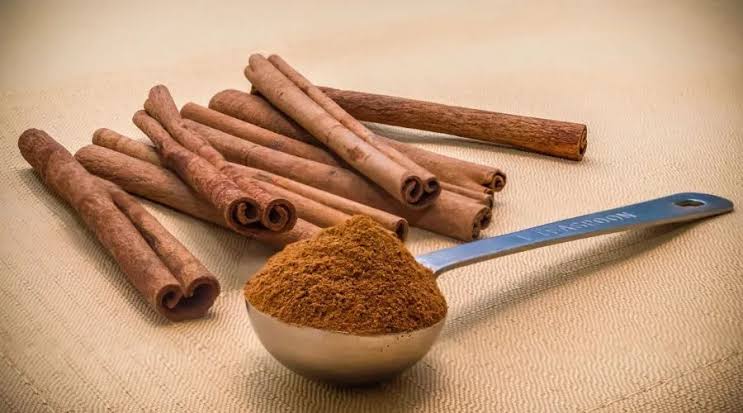
5. Cinnamon
Cinnamon is not just for desserts. It also adds warmth to savory recipes.
Flavor: Sweet, warm, comforting
Best uses: Oatmeal, apple recipes, muffins, pancakes, coffee, chili
Best pairings: Nutmeg, vanilla, cloves
Substitute: Pumpkin pie spice
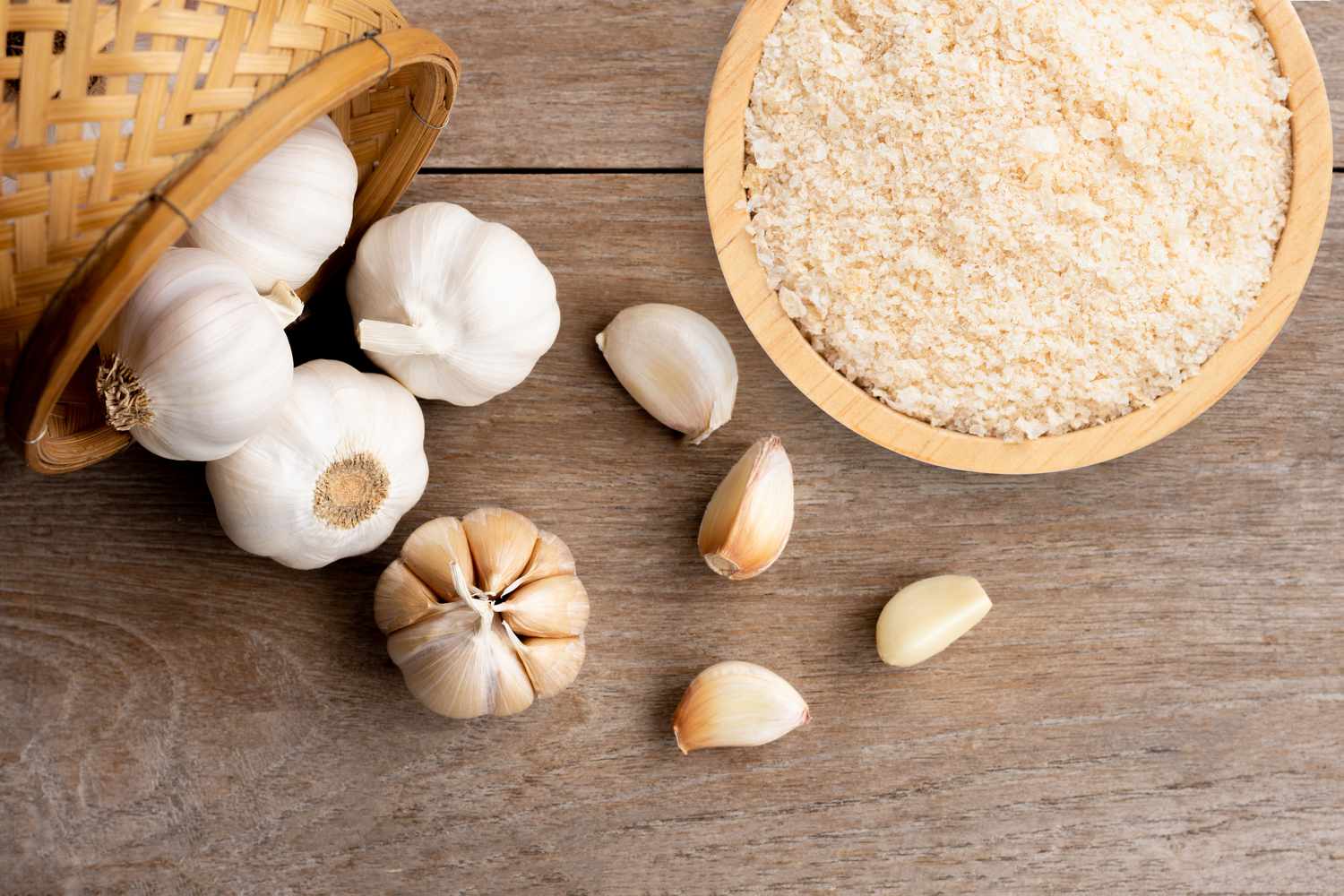
6. Garlic Powder
Garlic powder delivers concentrated garlic flavor without peeling fresh cloves.
Flavor: Savory, rich, mild garlic taste
Best uses: French fries, burgers, pasta, chicken, marinades, vegetables, popcorn
Best pairings: Onion powder, paprika, black pepper
Substitute: Fresh garlic, or granulated garlic
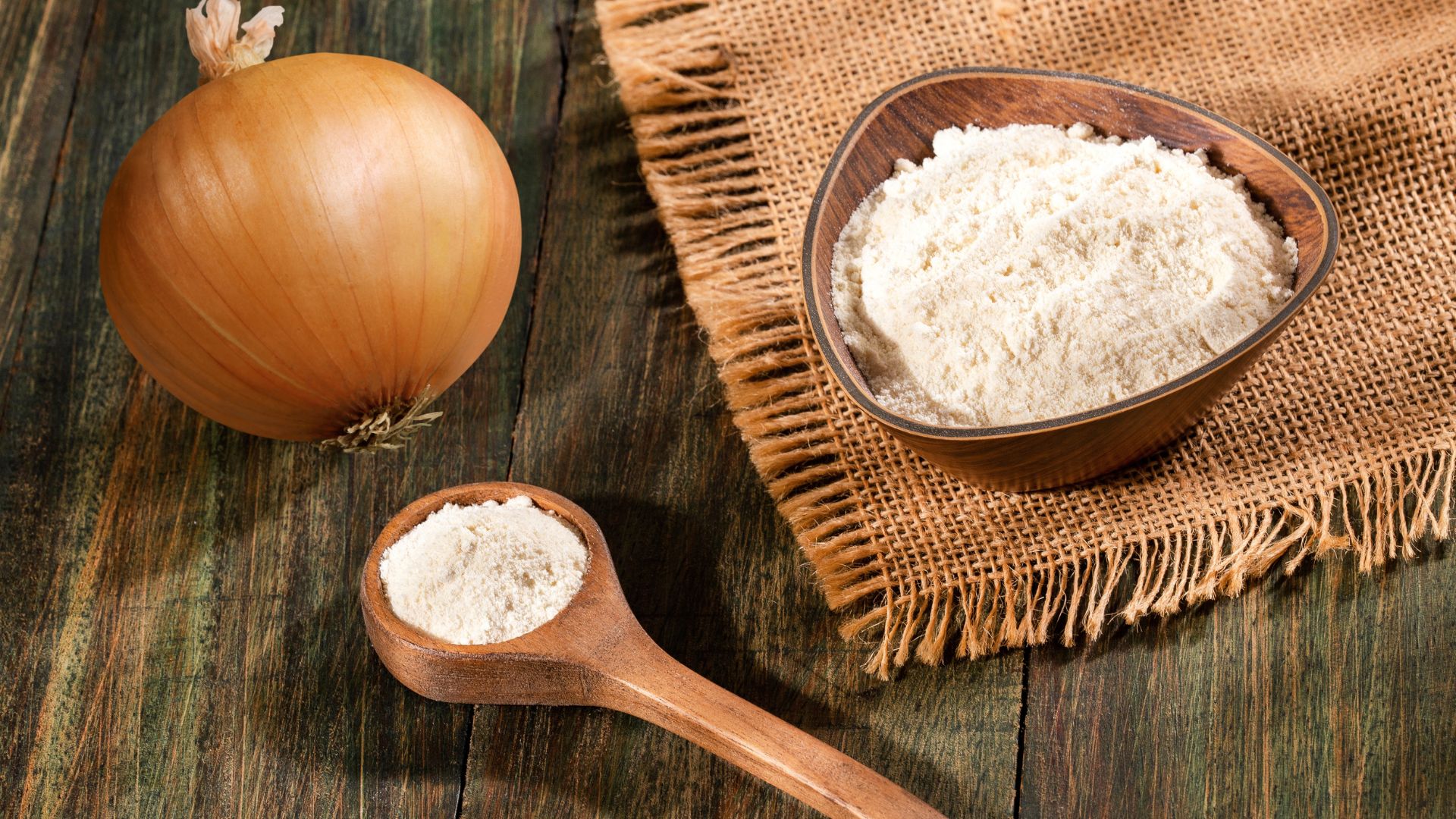
7. Onion Powder
Onion powder brings savory depth to recipes without adding moisture.
Flavor: Mild, slightly sweet, savory
Best uses: Burgers, meatloaf, dips, soups, salad dressing, dry rubs
Best pairings: Garlic powder, paprika, black pepper
Substitute: Dried minced onion
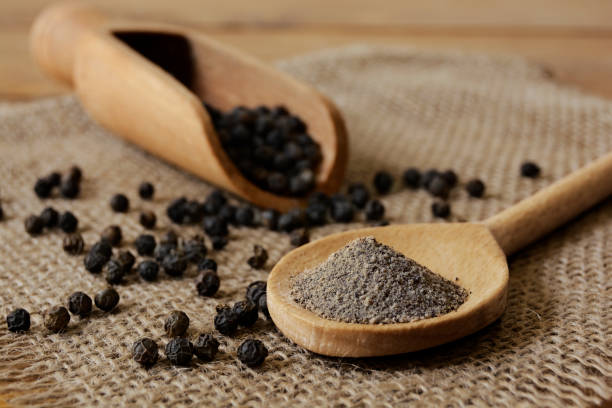
8. Black Pepper
Freshly ground black pepper is one of the simplest ways to improve almost any meal.
Flavor: Sharp, warm, slightly spicy
Best uses: Eggs, steak, pasta, vegetables, chicken, soups, salads
Best pairings: Nearly every savory spice
Substitute: White pepper
Tip: Freshly ground black pepper delivers a bolder flavor than pre-ground pepper. If you cook often, a quality pepper grinder is a worthwhile kitchen upgrade.
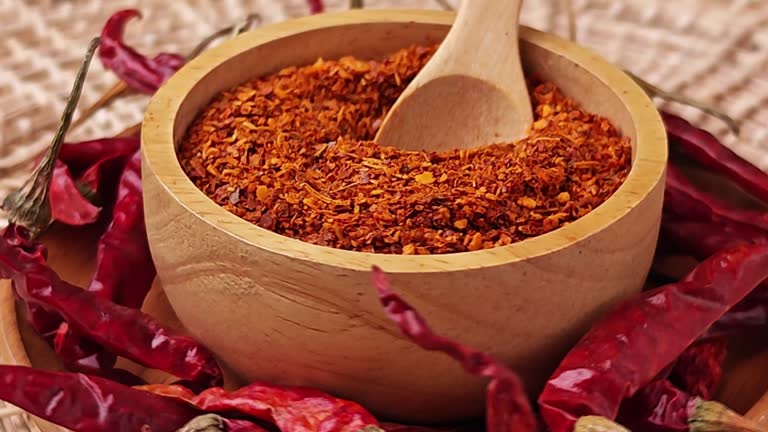
9. Chili Flakes
Crushed red pepper flakes are perfect when you want to add a little heat.
Flavor: Spicy, smoky, bold
Best uses: Pizza, pasta, stir-fry, garlic bread, soups, marinades
Best pairings: Garlic, basil, oregano
Substitute: Cayenne pepper (use less)
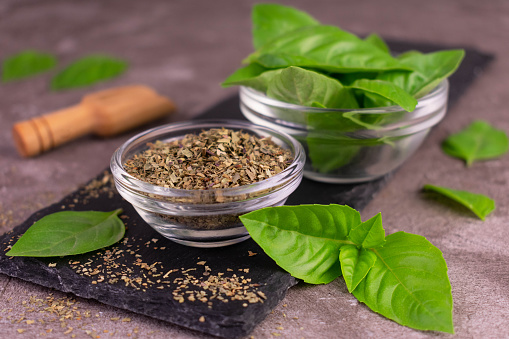
10. Basil
Basil is one of the most recognizable herbs in Italian cooking.
Flavor: Sweet, peppery, aromatic
Best uses: Pizza, tomato sauce, pasta, salads, pesto, chicken
Best pairings: Garlic, oregano, olive oil, mozzarella
Substitute: Italian seasoning, or fresh basil
How to Store Spices
Proper storage helps spices stay fresh longer.
- Store spices in airtight containers.
- Keep them away from direct sunlight.
- Avoid storing them above the stove, where heat and steam can reduce flavor.
- Label containers with the purchase date if possible.
- Replace most ground spices every 2 to 3 years for the best flavor.
Stocking your pantry with these 10 essential kitchen spices gives you the foundation to prepare hundreds of flavorful meals. Whether you are roasting vegetables, making homemade taco seasoning, simmering pasta sauce, or baking your favorite desserts, these versatile spices can transform simple ingredients into delicious dishes.
Kitchen Essentials to Get the Most From Your Spices
The right kitchen tools can make cooking easier while helping your spices stay fresh, organized, and ready to use. Here are a few essentials worth adding to your kitchen.
Airtight Glass Spice Jars (with labels included)
Protect your spices from moisture, light, and air while creating a clean, organized pantry. A quality set with preprinted and blank labels makes organizing your spice cabinet even easier.
Best for: Keeping spices fresh and easy to find
Electric Spice & Coffee Grinder
Grinding whole spices just before cooking helps unlock their full aroma and flavor. A versatile electric grinder makes it easy to grind spices like cumin, coriander, cloves, cardamom, and cinnamon whenever you need them.
Best for: Freshly grinding whole spices
Stainless Steel Measuring Spoons
Accurate measuring spoons help you season recipes consistently and are durable enough for everyday cooking and baking.
Best for: Precise seasoning
Spice Rack Organizer
A dedicated spice rack keeps your most-used seasonings easy to find while making the most of your cabinet, drawer, or countertop space.
Best for: Saving space and staying organized
Magnetic Refrigerator Spice Organizer
Make the most of unused refrigerator space by keeping your favorite spices within easy reach. A magnetic spice organizer helps reduce cabinet clutter while making everyday cooking more convenient.
Best for: Reducing cabinet clutter and keeping spices within reach
Lazy Susan Spice Organizer
A rotating organizer makes it easy to reach spices stored in deep cabinets without digging through shelves.
Best for: Deep cabinets and pantry shelves
Frequently Asked Questions
What are the most essential kitchen spices?
For most home cooks, start with paprika, cumin, oregano, turmeric, cinnamon, garlic powder, onion powder, black pepper, chili flakes, and basil. These spices cover a wide variety of American, Italian, Mexican, Mediterranean, and Asian-inspired recipes.
How long do spices last?
Ground spices generally keep their best flavor for 2 to 3 years, while whole spices can stay flavorful for 3 to 4 years when stored properly.
Should spices be refrigerated?
No. Most dried spices should be stored in a cool, dry pantry rather than the refrigerator, where moisture can affect their quality.
What is the difference between paprika and smoked paprika?
Regular paprika has a mild, sweet flavor, while smoked paprika is made from peppers dried over smoke, giving it a rich, smoky taste that is great for barbecue, roasted vegetables, and grilled meats.
Is garlic powder the same as garlic salt?
No. Garlic powder is pure dried garlic, while garlic salt is a blend of garlic powder and salt. If a recipe calls for garlic powder, do not substitute garlic salt without reducing the added salt elsewhere.
)